


On science and ethics: conveying and exploding knowledge
Can you write a book on ethics, using words of science, that would explode all other books?
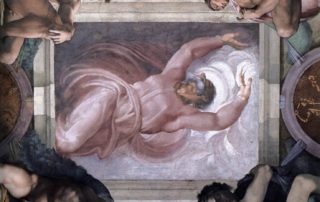
Can you write a book on ethics, using words of science, that would explode all other books?
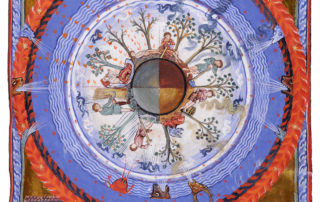
The use of technology can lead to estrangement from others and ourselves.

How experience fosters discovery of all kinds, as well as a deeper reading of history and literature
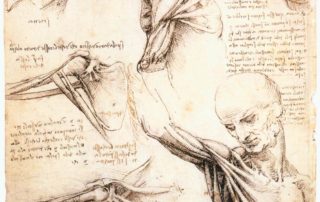
Why painting is more truth-seeking than philosophy and physics

Will artificial intelligence enhance or imperil our humanity?

What lasts is not just what we make.

A dialogue about life extension and limits, beyond biology and scholarship.

How Galileo's theory of parabolic motion leads to a new attribution of a 17th-C. painting.
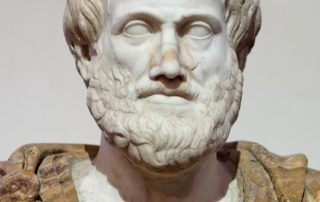
Aristotle and the modern computer: how the Greek philosopher's logic influenced the mathematical equations that underlie digital computation.

Classical literacy and modern scholarship: how knowledge of Latin and Greek might deepen our current understanding of things, according to a German physicist; but the effort faces widespread difficulties: "No one learns Latin and Greek anymore, and therefore everything becomes superficial." This is the complaint of most learned journals, even though they themselves are simultaneously, and insensibly, [...]