


Aristotle and the modern computer (Chris Dixon, The Atlantic)
Aristotle and the modern computer: how the Greek philosopher's logic influenced the mathematical equations that underlie digital computation.
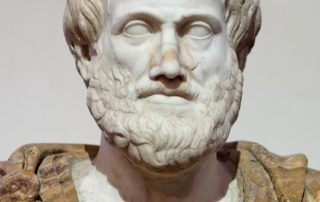
Aristotle and the modern computer: how the Greek philosopher's logic influenced the mathematical equations that underlie digital computation.

Classical literacy and modern scholarship: how knowledge of Latin and Greek might deepen our current understanding of things, according to a German physicist; but the effort faces widespread difficulties: "No one learns Latin and Greek anymore, and therefore everything becomes superficial." This is the complaint of most learned journals, even though they themselves are simultaneously, and insensibly, [...]

How understanding the humanities' past illuminates their present and future importance, as they have discovered new findings critical to understanding our world.

"Philosophia vitae magistra": philosophy is the teacher of life Who is unaware that human life without the liberal arts is not only destitute and empty, but indeed far inferior and worse to that of many animals? When I then turn my attention to philosophy itself, how many times have I heard from you that it in [...]

Modern tragedy: the fears of physical annihilation and the role of the writer Our tragedy today is a general and universal physical fear so long sustained by now that we can even bear it. There are no longer problems of the spirit. There is only one question: When will I be blown up? Because of [...]

The Question of the Humanities: the editor of Humanities Watch weighs questions the humanities ask, and are asked, concerning their relation to the sciences, technology, and business interests. Text of the remarks can be found here.
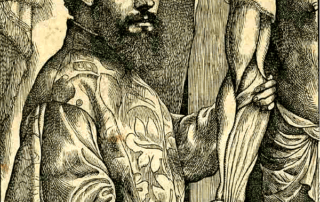
How the current shape of healthcare can learn much from investigating Renaissance perspectives on the human condition, and the manner in which humanists describe this condition.
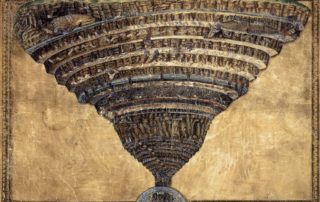
Are the humanities "useless"? If so, do they still provide a use? Said Hui Shih to Chuang-tzu: “These sayings of yours are useless.” “It is only with people who know about the useless that there is any point in talking about uses. In all the immensity of heaven and earth, a man uses no more than [...]

Humanities in the Age of Big Data: an historian tries to unravel the consequences for ourselves and our way of life. Dataism is a new ethical system that says, yes, humans were special and important because up until now they were the most sophisticated data processing system in the universe, but this is no longer [...]

How the humanities may lead us to greater self-knowledge, beyond the demands of the market place.