


Deciphering ancient stories: another role for AI. From the article:
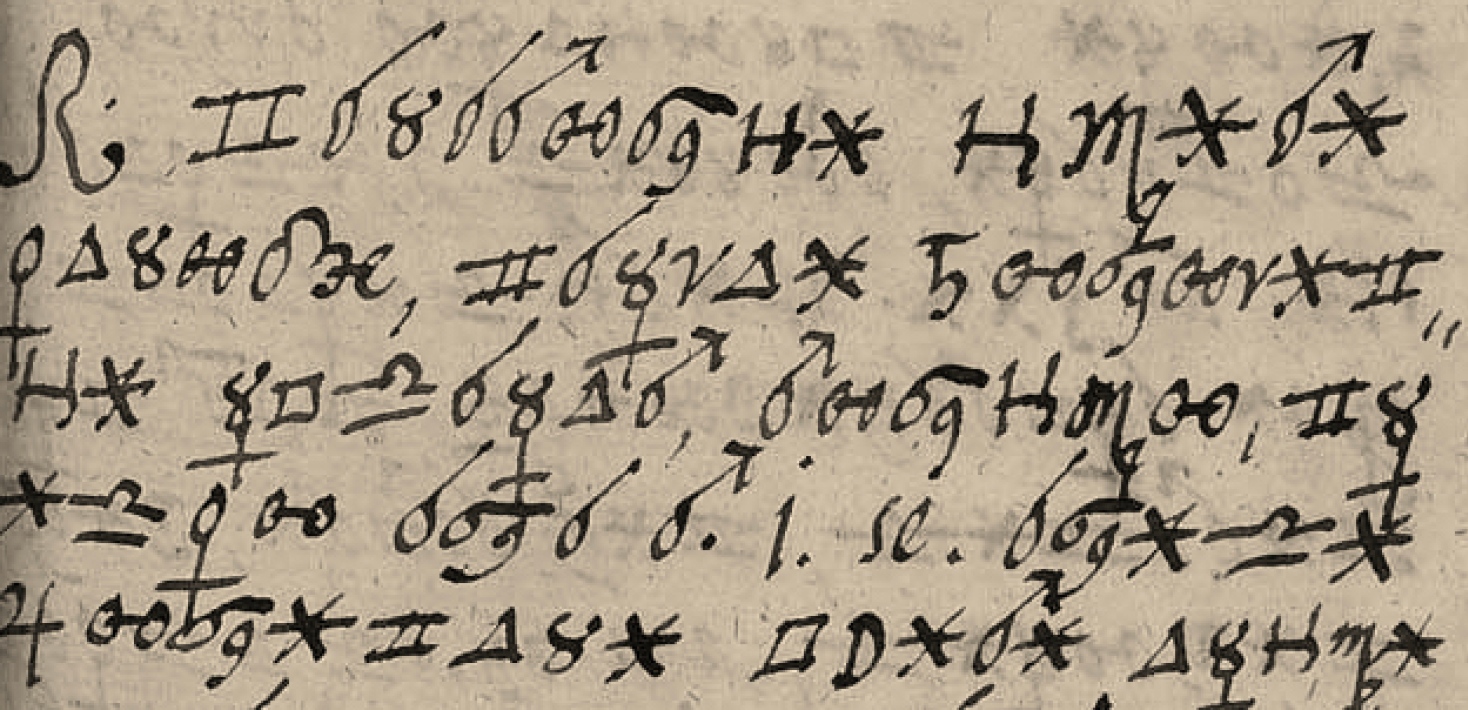
Known as the Borg cipher, the 408-page-long manuscript is mostly incomprehensible – coded using 34 obscure symbols with a few Roman letters and a front page written in Arabic. There was no known key to reveal what was encrypted. Some of the pages are also damaged due to their age, making the code even more challenging to read.
But with the help of machine learning – a form of artificial intelligence – researchers were able to unravel the code. They discovered the text was filled with thousands of bizarre treatments such as drinking several glasses of high-quality red wine or fermenting a nutmeg in some dough to combat dysentery.
“It is like detective work where every symbol, pattern, and partial solution may bring us closer to someone’s secrets and to a lost historical world,” says Beáta Megyesi, a professor in computational linguistics at Stockholm University in Sweden, who was part of the team who decoded the text. Even with the help of AI, the process of unlocking the cipher key was painstaking….
Together, coded historic documents conceal diplomatic intelligence, the rituals of secret societies, medical knowledge, love affairs or everyday details that people wanted to keep secret. This is information currently missing from historical narratives. In some cases, decoding these documents has the potential to rewrite what we know about a famous individual or an entire period of history….
Megyesi and her team are now exploring how AI could skip the transcription stage all together, simply by analysing photos of the pagesto decipher secret messages. They recently showed how the approach could work for simple codes, where every letter is replaced by a single symbol….
Such AI tools could be key to cracking historical ciphers that have been elusive to date. They will also help with ancient texts written in alphabets that nobody can read today. The 4,000 year old Phaistos Disc from Crete, for example, remains undeciphered as does the early Greek language “Linear A”.
For the report from Stockholm University on the Borg cipher, see here.
For related posts, see here.
Leave A Comment